boringfunnels Pro
Build funnels that sell with the coding agent you already use.
Tell your agent about your business. It hands you the funnel plan, the pages, the emails and the ad, modeled on real funnels that sell, in your brand, checked. Your part: a few answers and a few clicks.
 Claude Code
 Codex
Codex Cursor
 VS Code + Copilot
 Gemini CLI
- Devin
Every kind of page a funnel needs.
Booking pages, calculators, quizzes, free classes, advertorials, software trials, one-click upsells, order forms. All built by the agent for businesses we made up to test it, each in its own look.
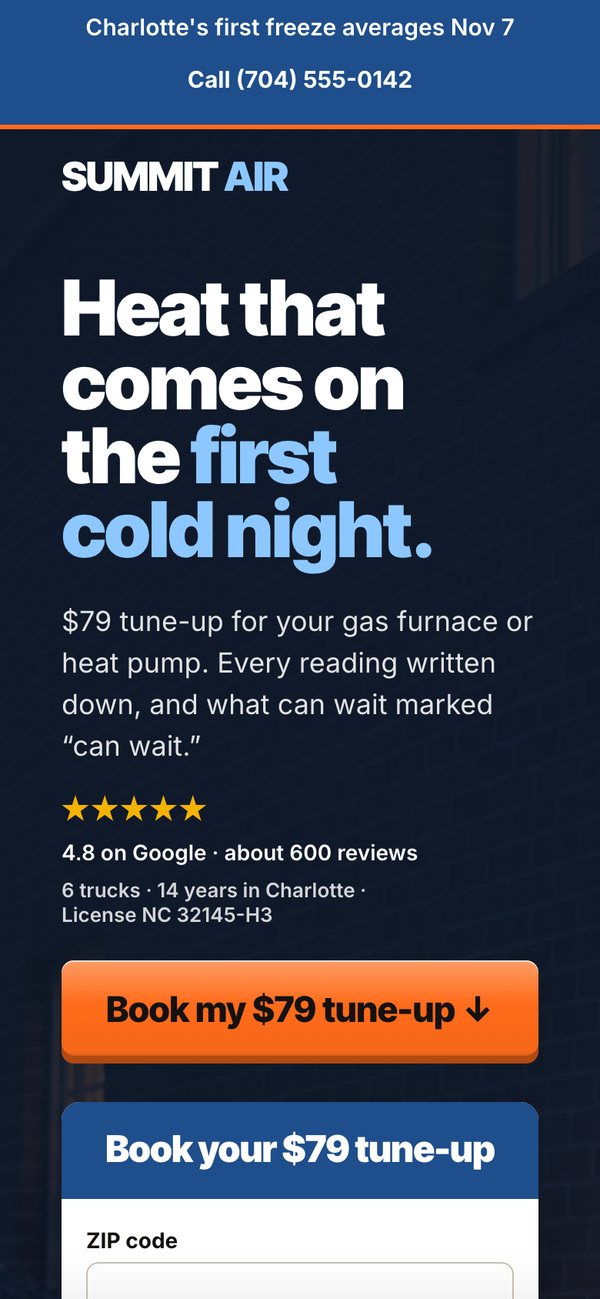
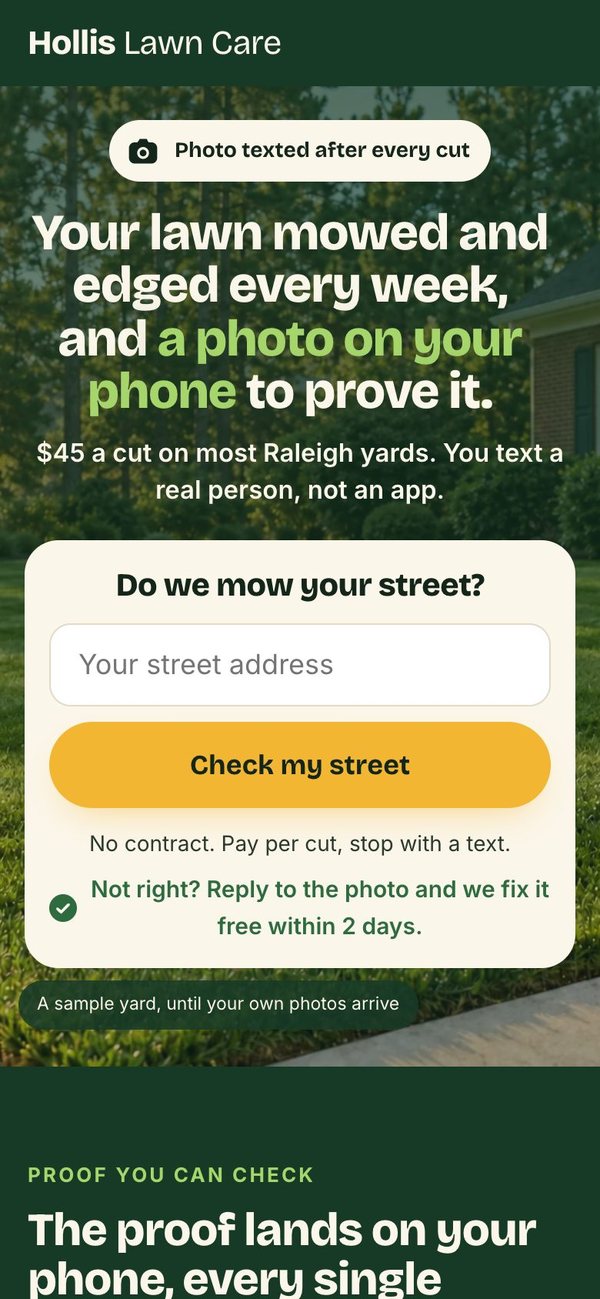
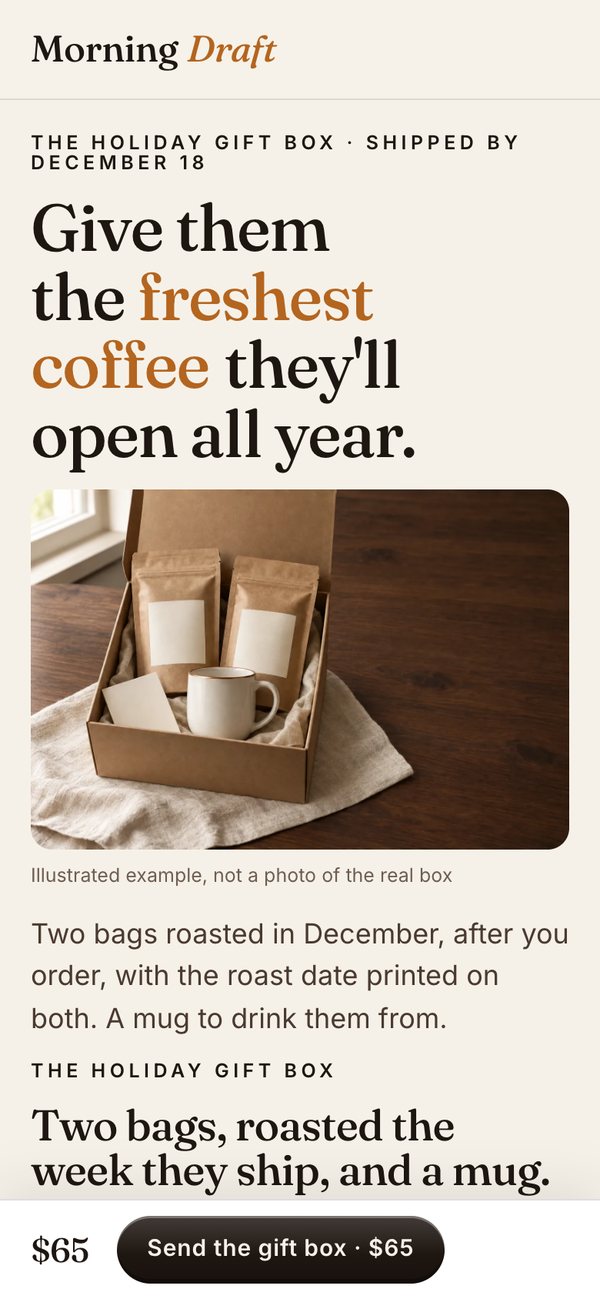

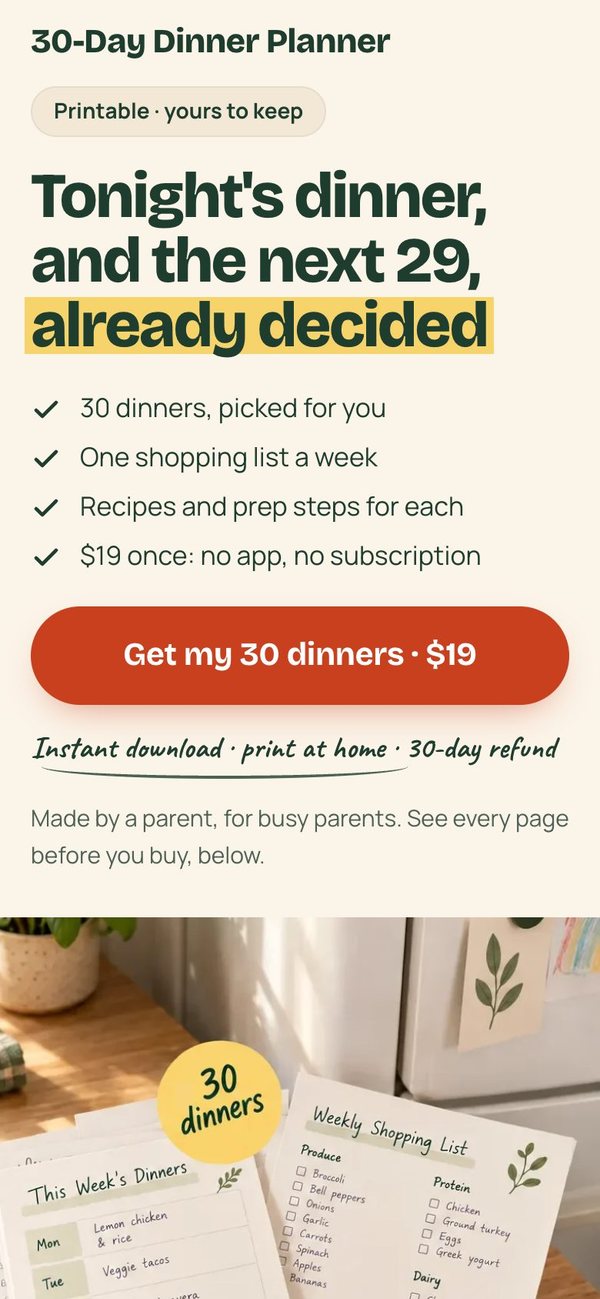
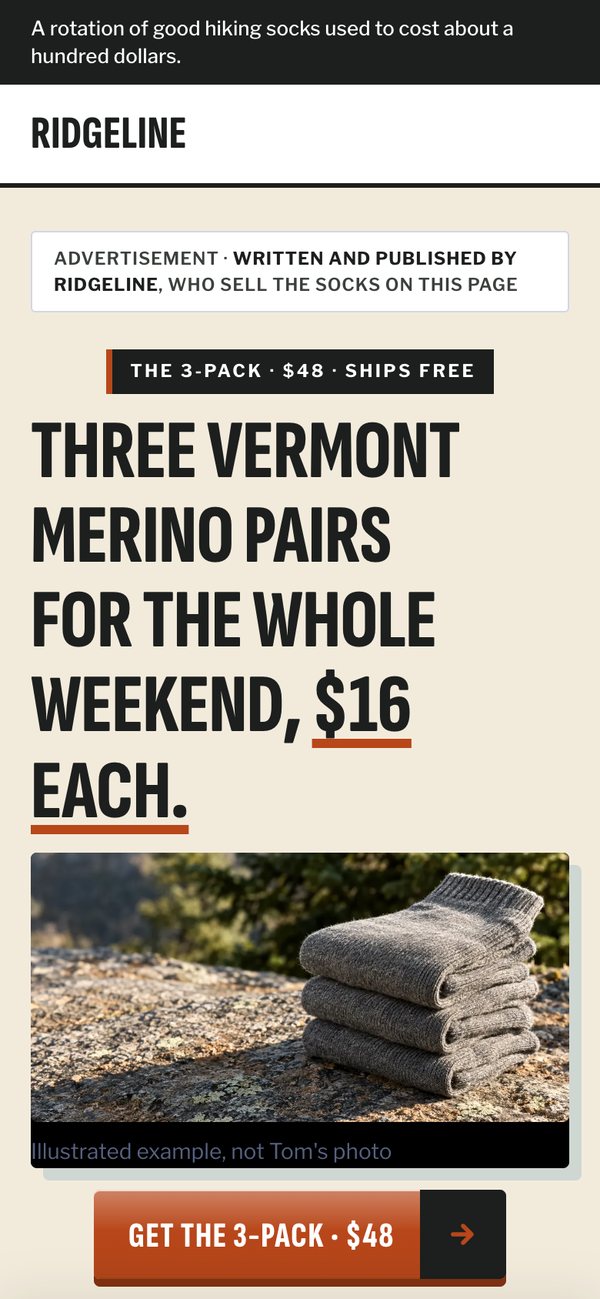
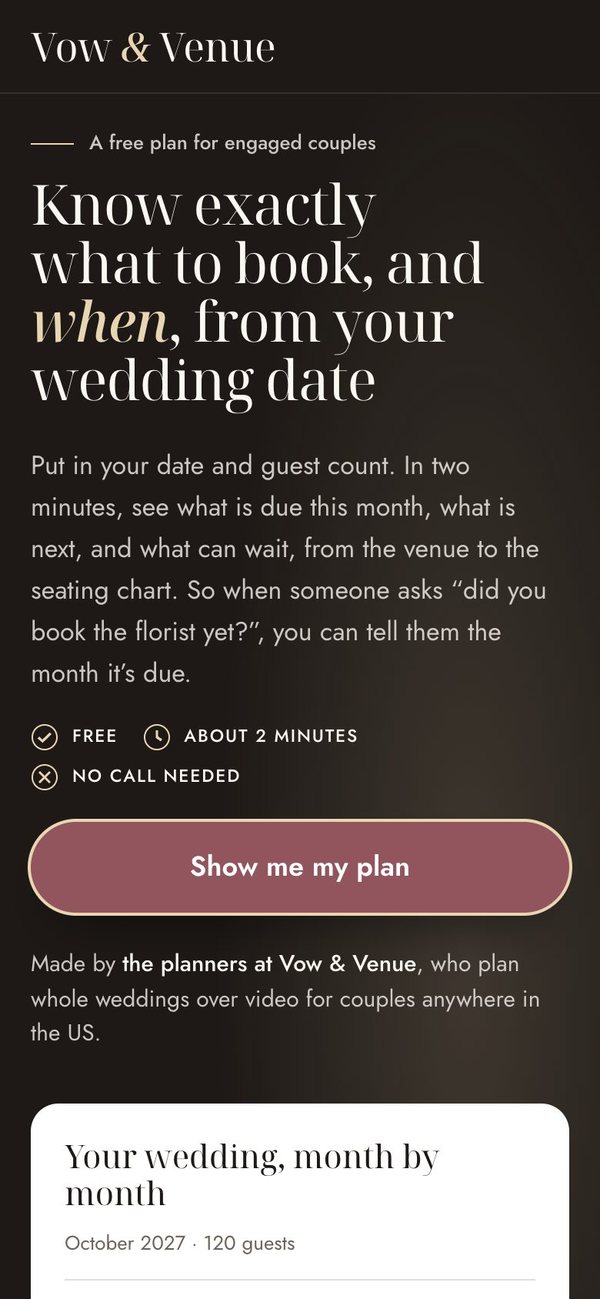
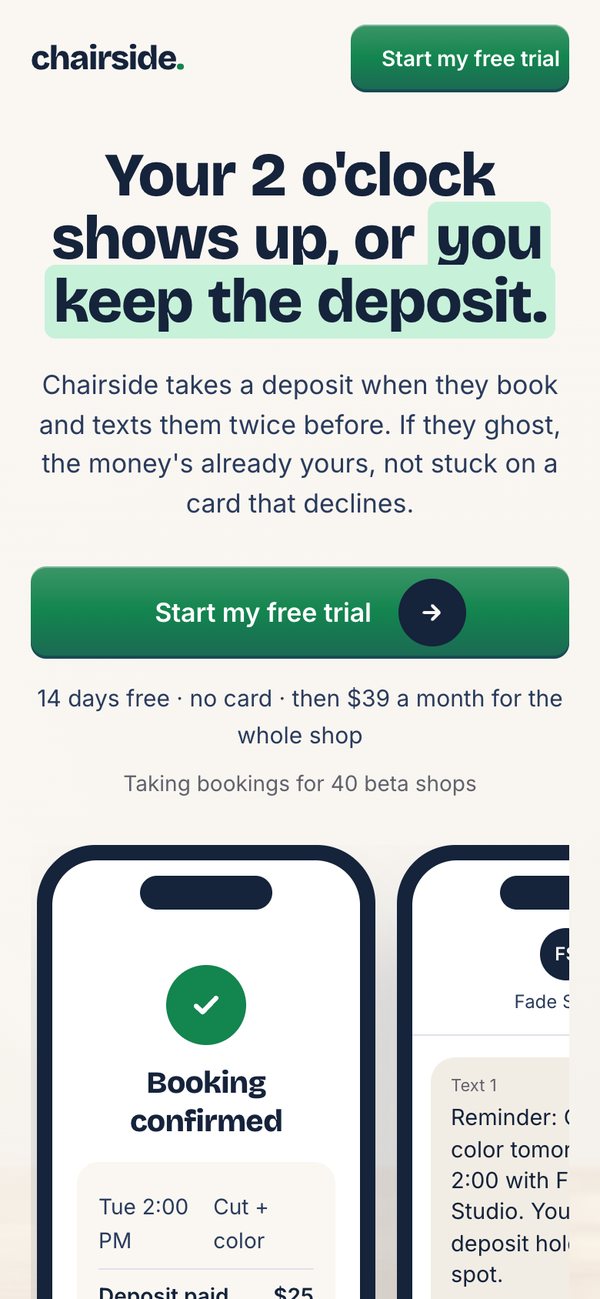
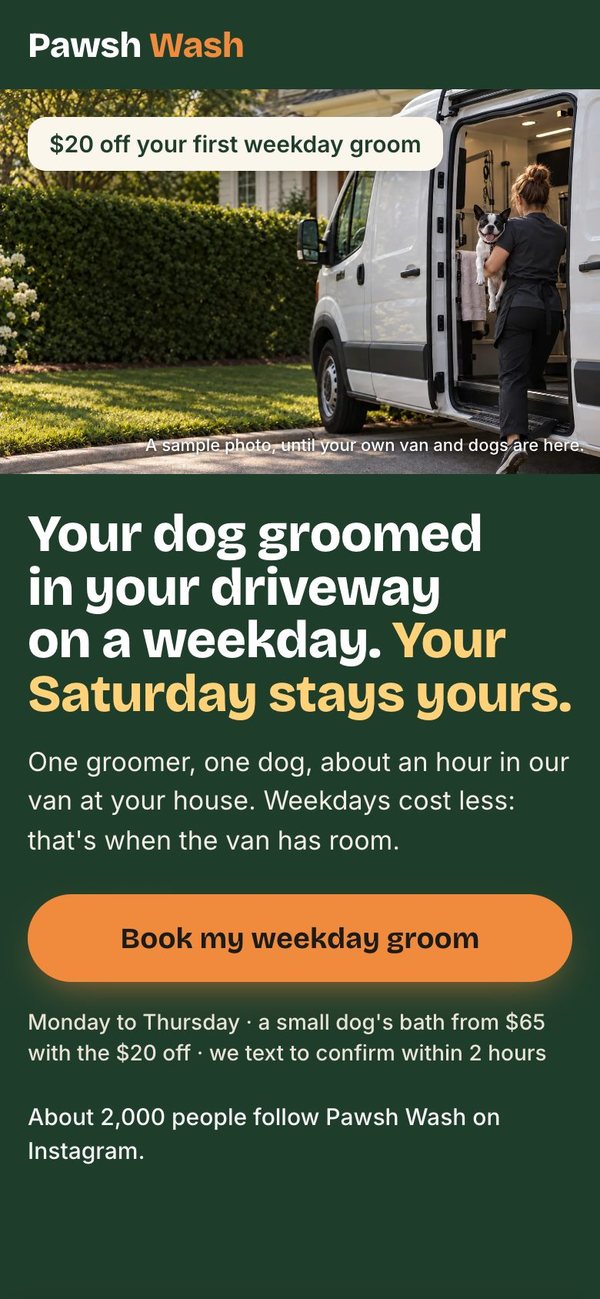
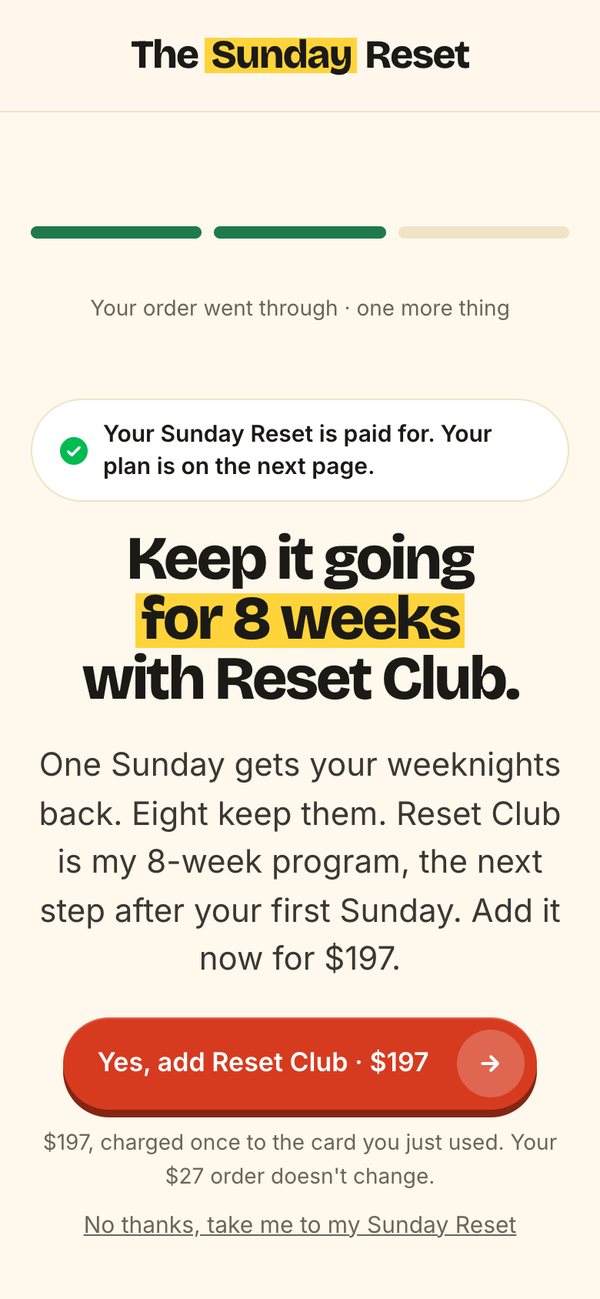
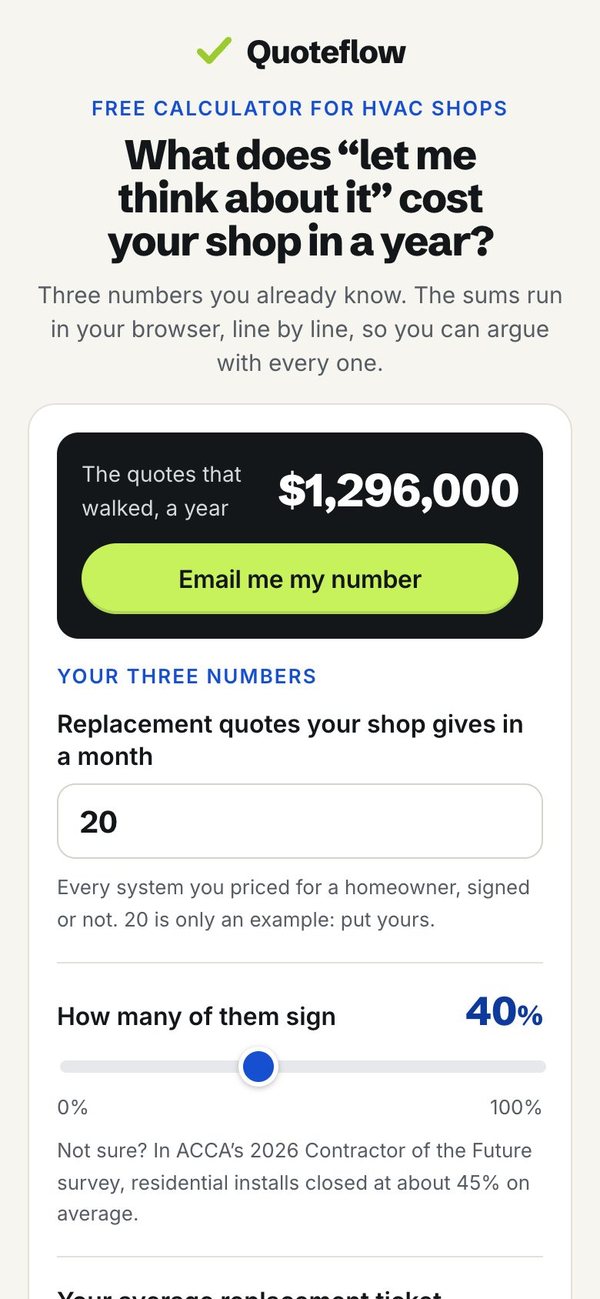
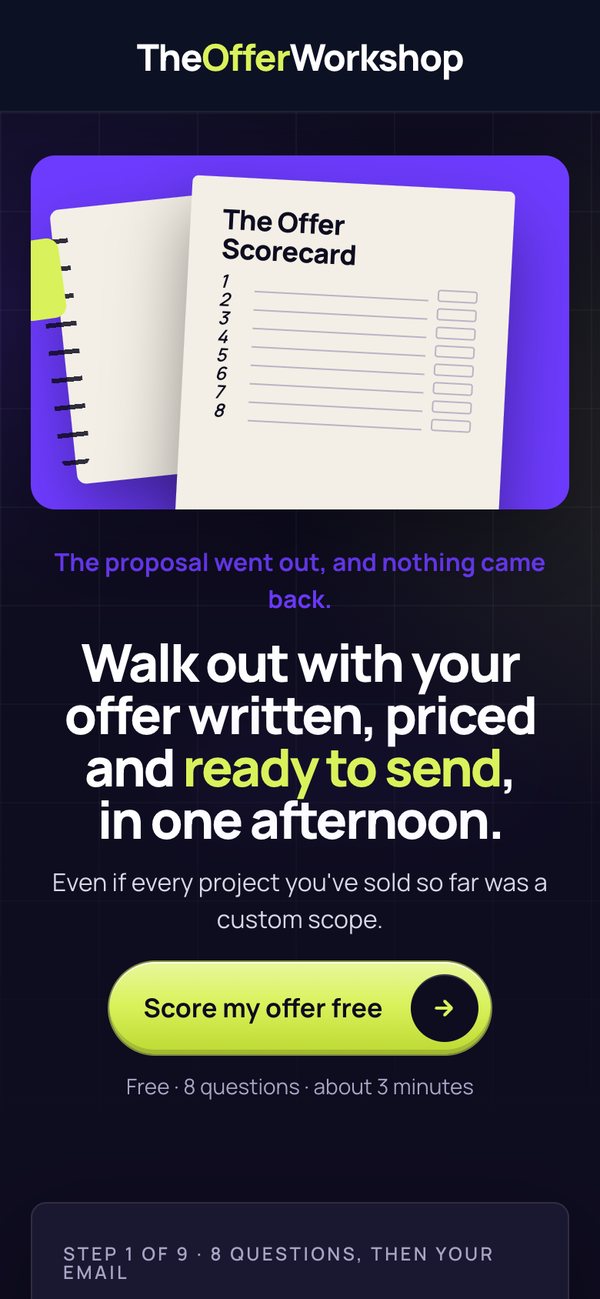
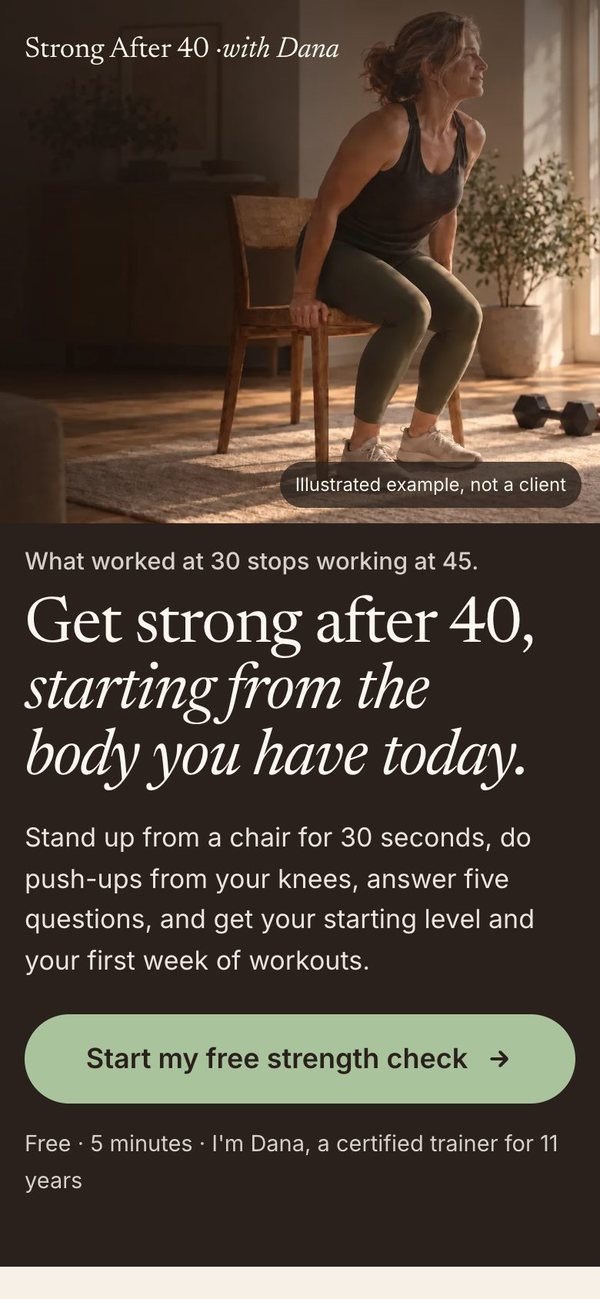
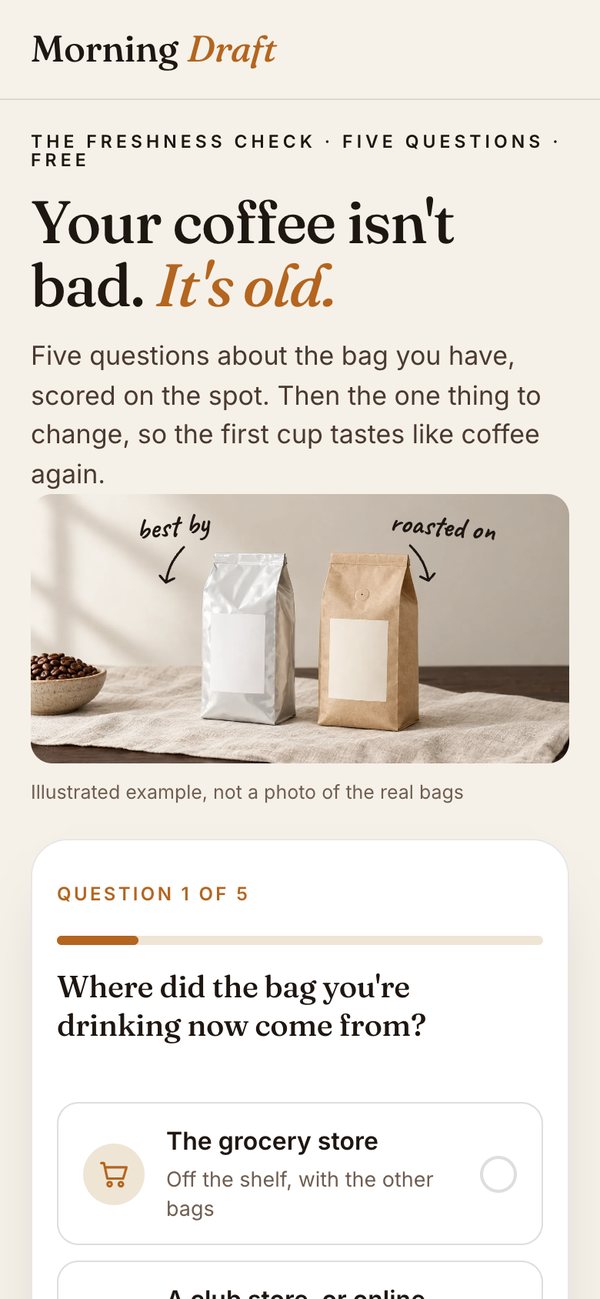

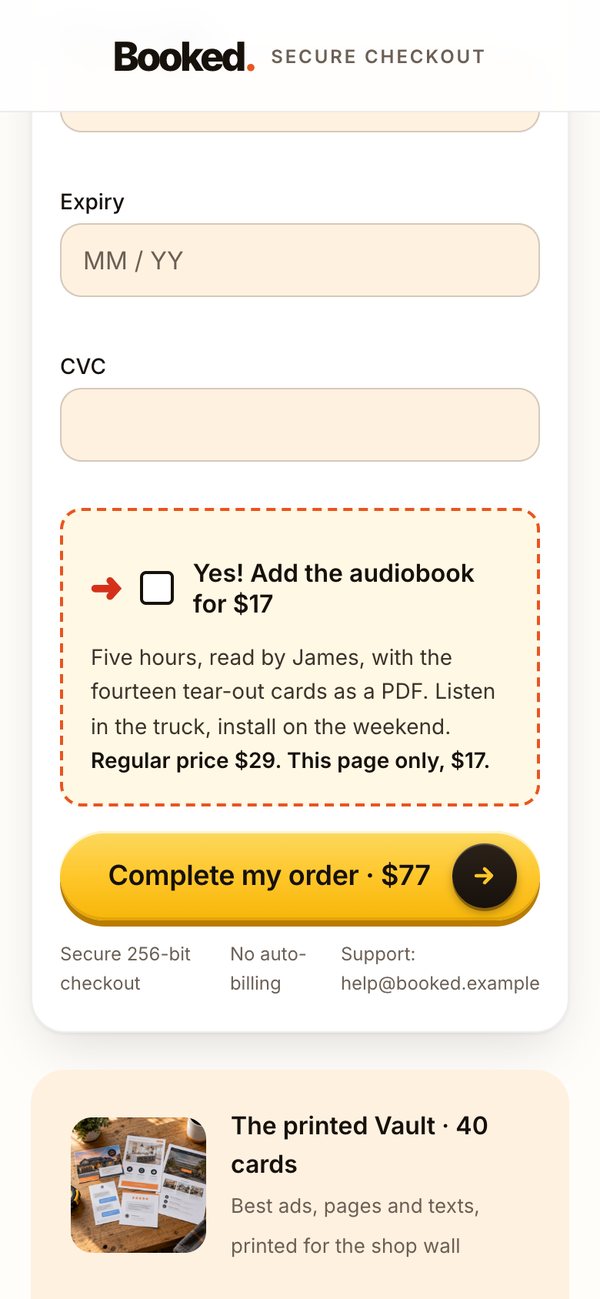
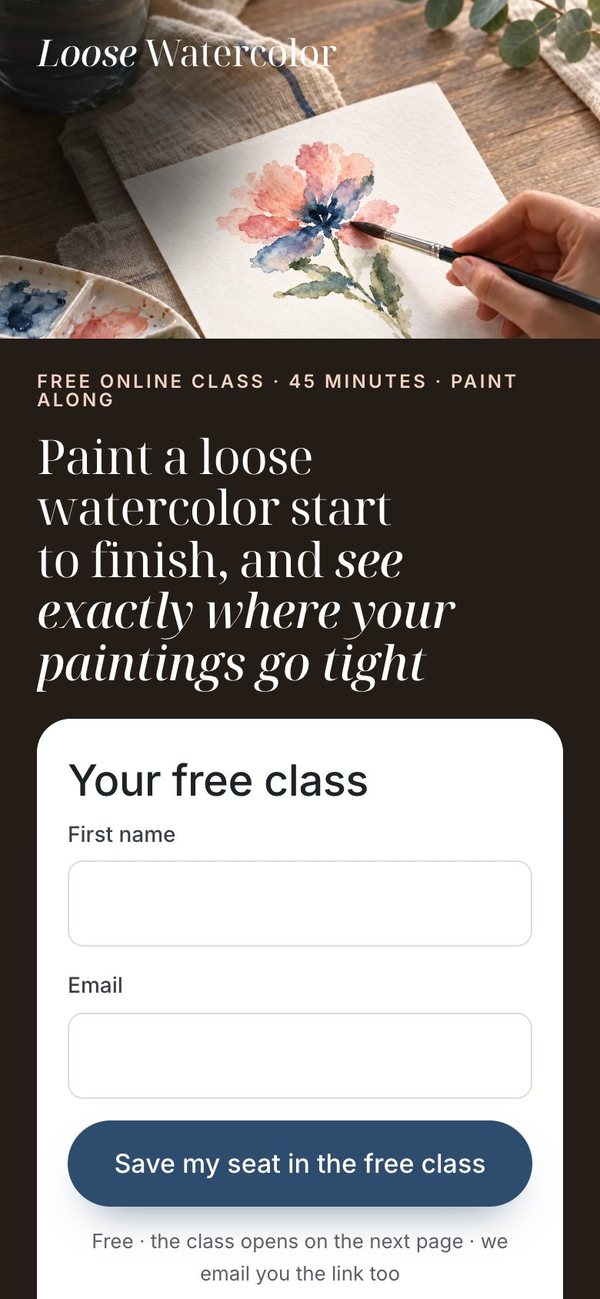
Each one built and checked from one message, in one sitting.
A note from James
The agents learned to build. Nobody taught them to sell.
If you build with Claude Code, Codex or Cursor, read this first.
I build with coding agents all day. I've used direct response for over a decade.
And I keep seeing the same thing.
The agents are the best builders I've ever worked with. They don't know conversion.
Ask one for a landing page and you get a clean page that describes your product. A feature list. A gradient. A button that says Get Started.
It looks finished. It doesn't sell.
That's not the agent's fault. Nobody taught it which funnel fits your offer, what a buyer has to believe before they pay, why the price sits beside the button, or what the second email says.
That knowledge lives inside the funnels advertisers keep paying to run. And the part that sells is hidden: the page after the button, the emails, why each step is there.
So that's our job.
Every week we find the funnels the best advertisers keep running. We capture them from the ad to the last email, and take them apart step by step.
Then Pro puts all of it inside your agent, with the skills to use it on your business.
You make the calls. It builds a funnel that sells.

P.S. This week's free study closes Sunday. Pro keeps every study open, and builds yours from all of them.
Nine designs for your page. Pick the one that sells.
Before your agent writes a line of code, it shows you your first page nine ways: the first round a design team would bring you. Each borrows the layout of a page that's already selling, in your brand, with pictures made for your offer instead of stock photos. Pick one, and every page is built to match.

First pages drafted for test businesses, from a software trial and a quiz to a roofer, a med spa and a coffee subscription. The pictures come from your own image key; without one, your agent draws the designs in code.
Whatever you're building.
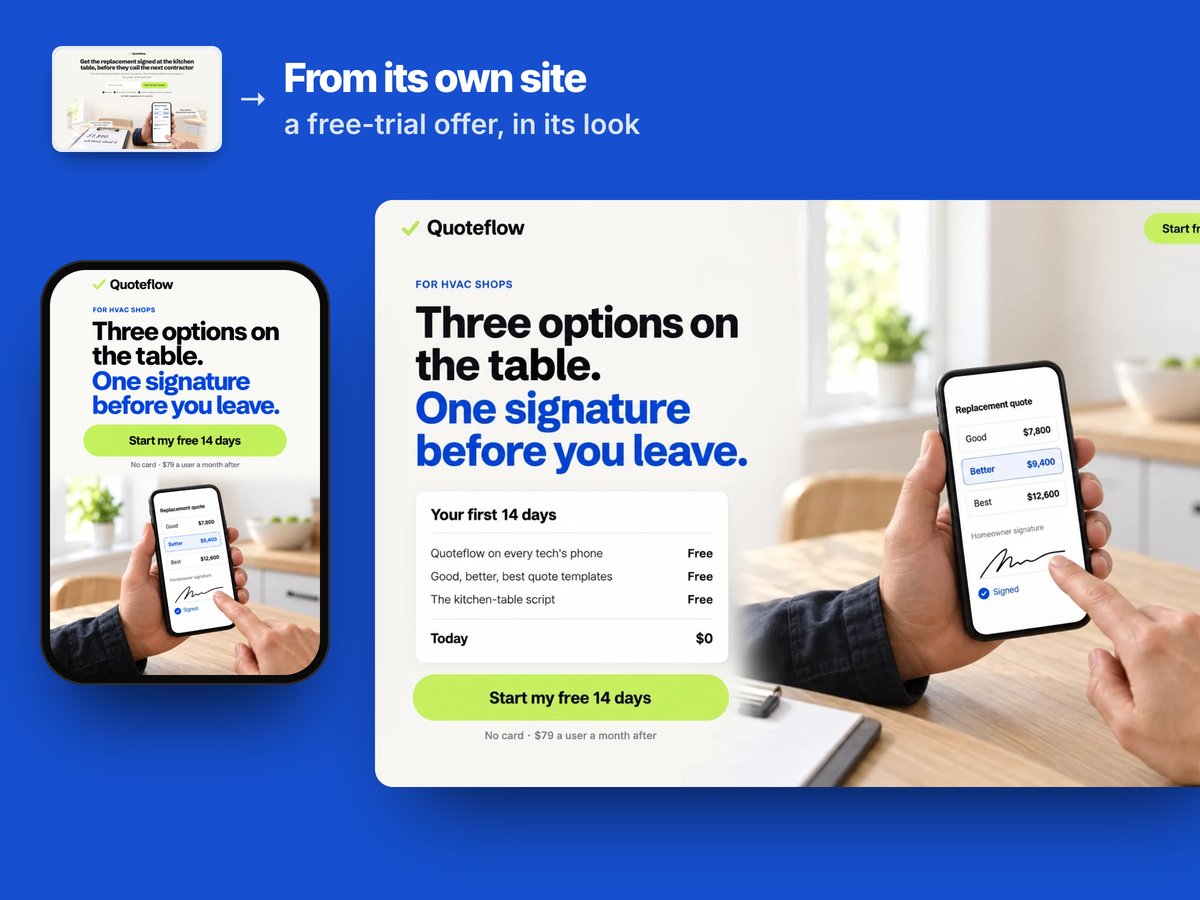
You have a business
Point your agent at your site. It keeps your brand and builds the funnel your next offer needs. Or it audits your site for what's costing you customers, worst first, or rewrites a page's words and leaves the design alone.
Quoteflow's free-trial offer, drafted from its own site, in its own look.
You're starting one
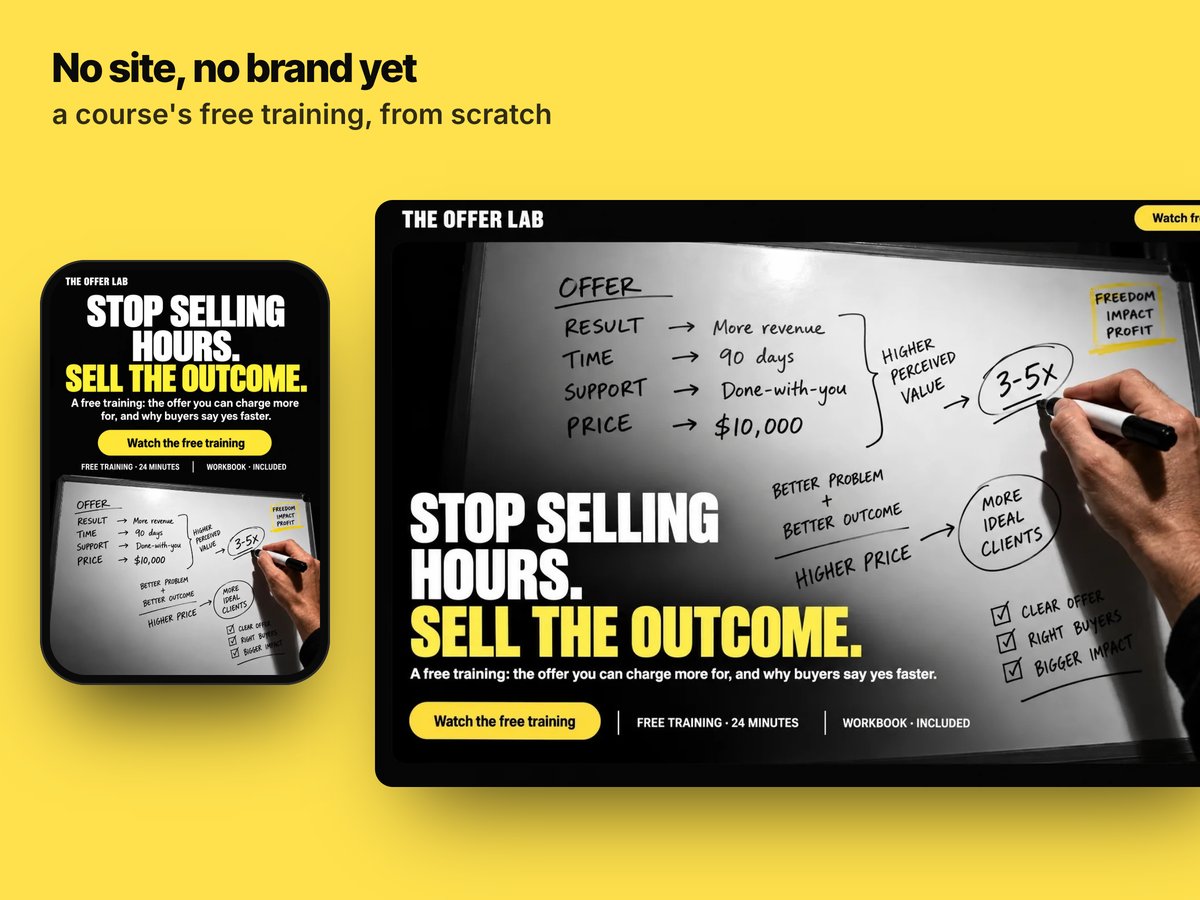
No site, no list, no reviews yet? It picks the funnel for your traffic, builds your brand from real pages you like, and plans a founding offer to earn your first reviews.
The Offer Lab had no site and no brand. Its free-training page takes its layout from a real event page.
You build for clients
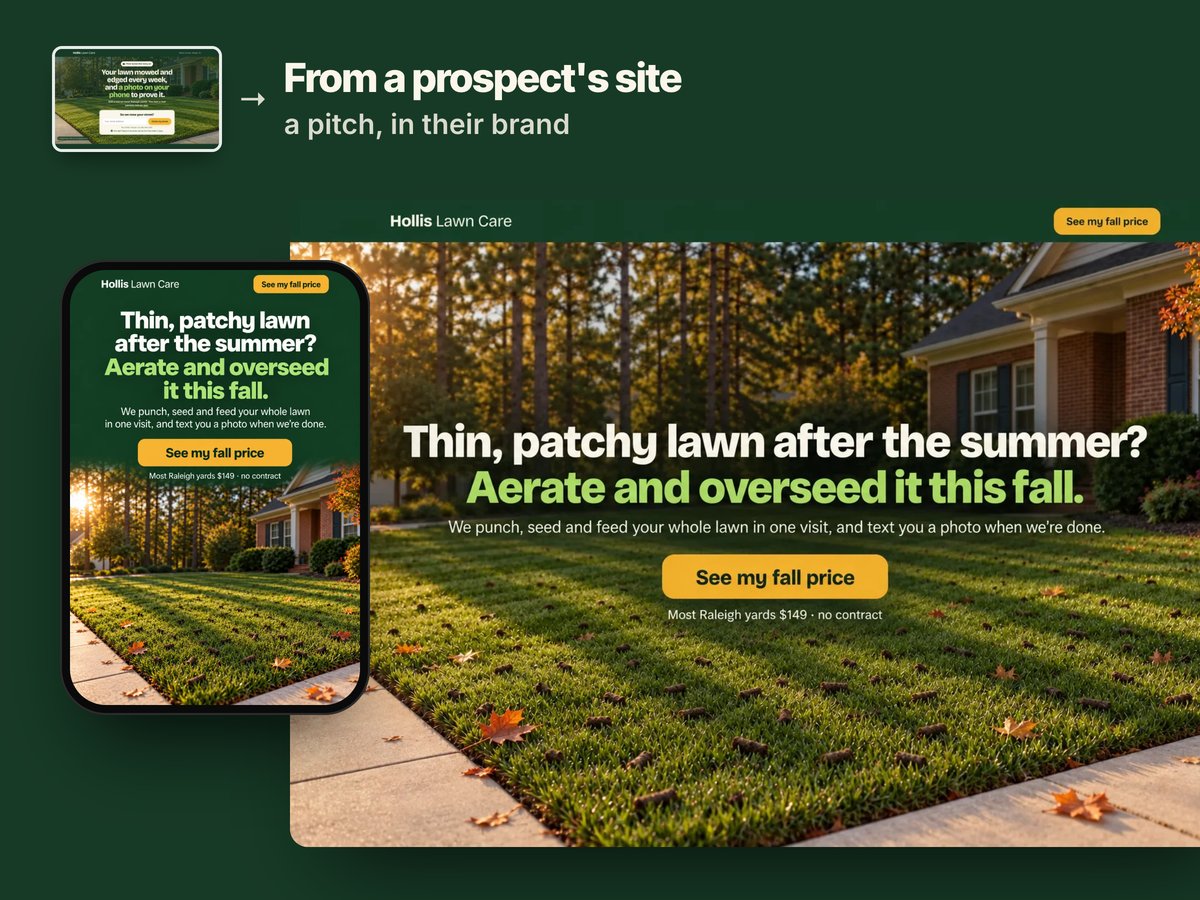
Point it at a prospect's site and send a funnel in their brand before the first call. Then build theirs, and the next client's, on the same plan.
A pitch to Hollis Lawn Care, drafted in the lawn company's own brand, to send before the first call.
Everything one message handed back.
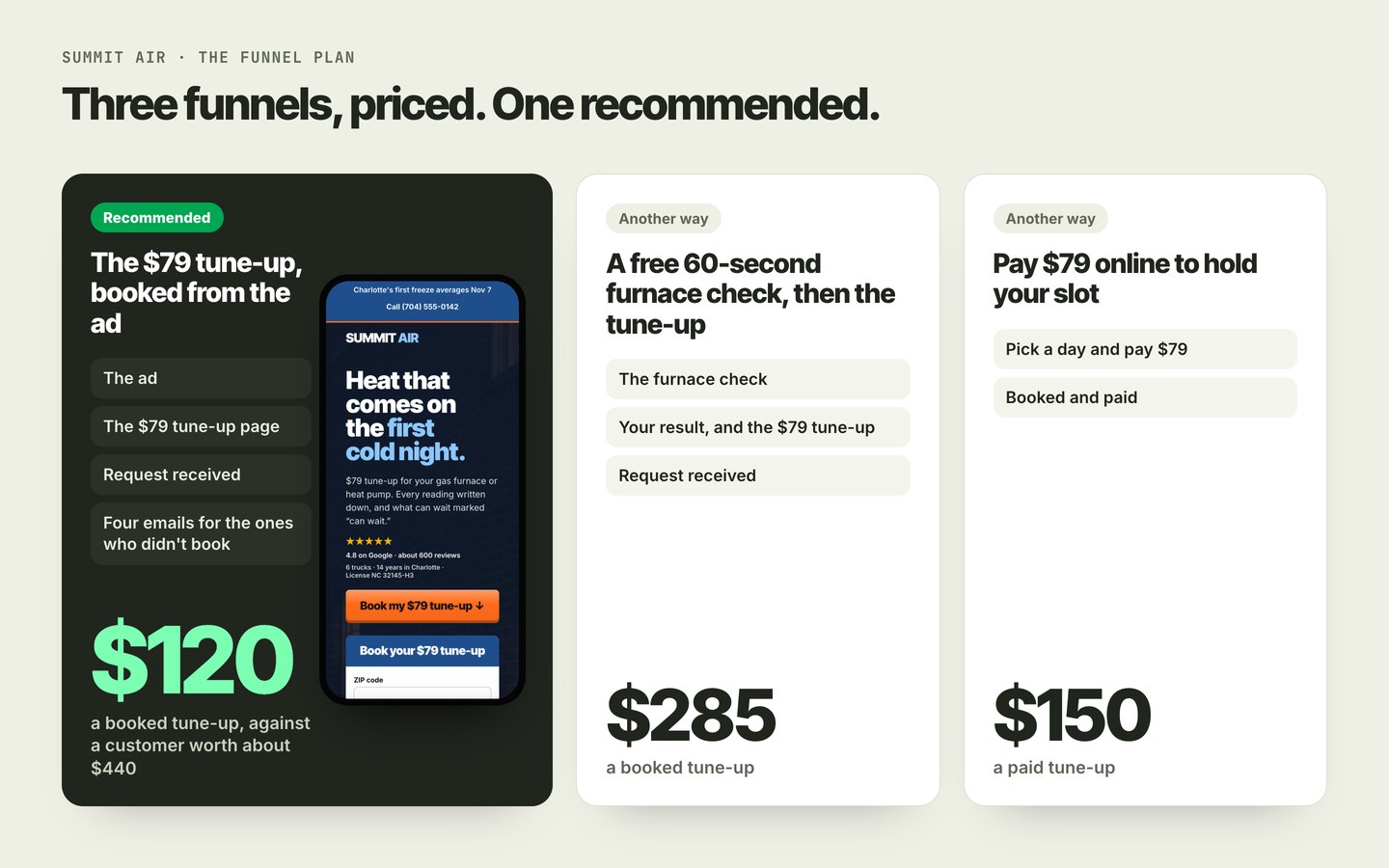
Summit Air is one of the businesses we made up to test it: a heating and air company in Charlotte with six trucks, selling a $79 furnace tune-up on $75 a day of ads. One message, a few clicks, and this came back.
1The funnel plan
Funnels for the business side by side, each with what a booking costs. One recommended: the $79 tune-up booked straight from the ad, at about $120 a booking against a customer worth about $440.
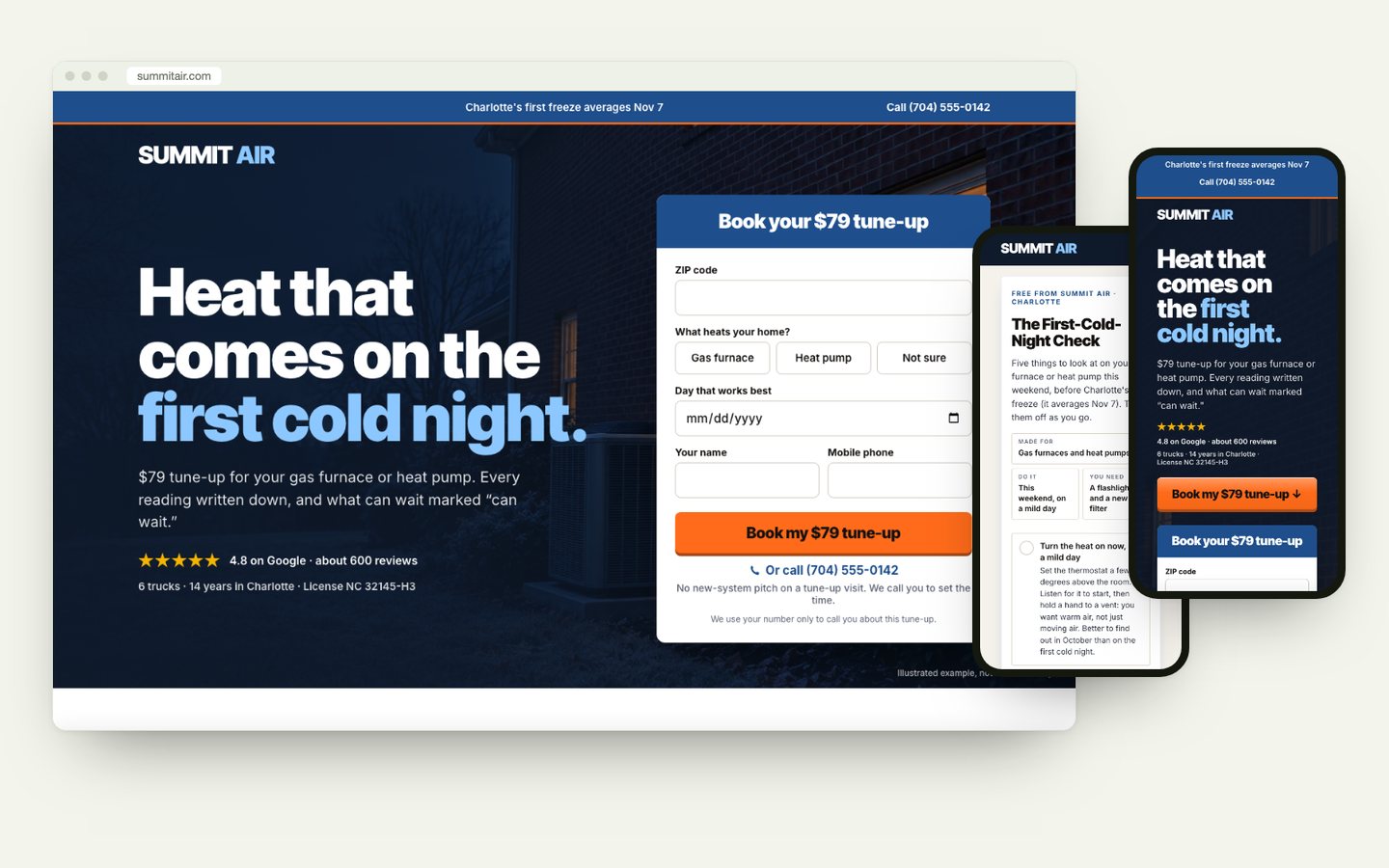
2The pages, in its brand
The tune-up page with the booking card in the first screen, the request-received page, and a free First-Cold-Night Check for the ones who leave.
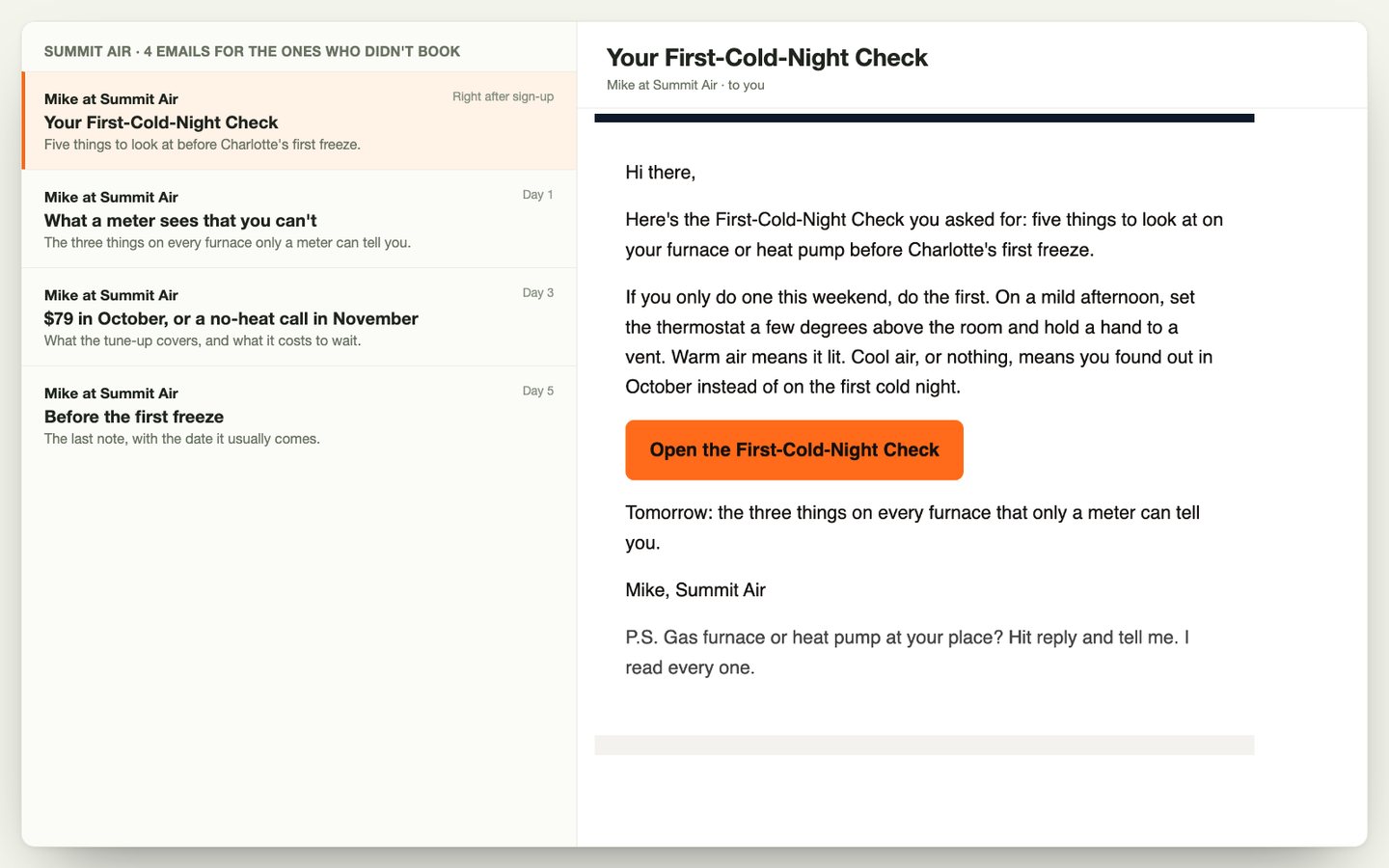
3Four emails
A welcome that delivers the free check, then three over five days that bring back the ones who didn't book.
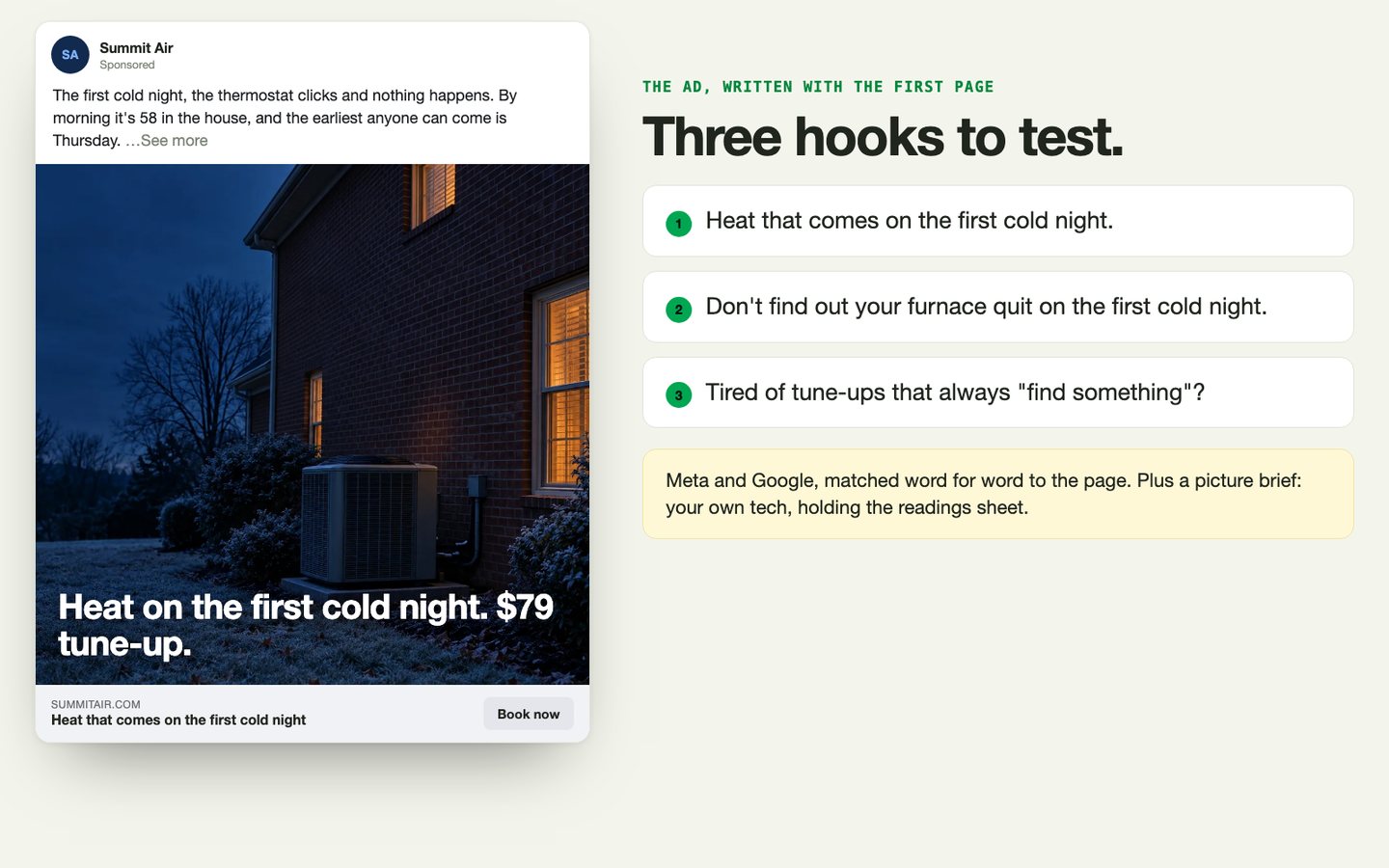
4The ad
The text, three hooks and a picture brief for Meta and Google, matched word for word to the page.
Every look and every page checked by a second reviewer that never saw the work, against the look you picked, on a phone and a computer. Nothing is called done with a fix open.
A direct-response team inside your agent.
Everything that goes into a funnel that sells, done for your business. You make the calls; you see each one on your board as it happens.
The strategist
- Reads your site, your market and your buyers' own words
- Routes your business to the funnel that fits your offer and your traffic
- Shows what a sale should cost on each, before you spend
The copywriter
- Your positioning and big idea, from what competitors don't say
- Six to nine headlines, one recommended
- Every page, the emails and the ad, written to one argument
The offer maker
- The offer built, not just described: the stack, the guarantee, the price beside the button
- A founding offer and a dated proof plan when you're new
- An order bump and a one-click offer, only when there's a next thing to sell
The designer
- A direction for your business, or your own brand kept
- A gallery of nine looks of your first page, in three lanes, drawn before anything is built
- Pictures made for your offer, in your brand, with your own image key: your own photos first, and every proof photo real
The builder
- Every page from proven blocks, on a phone and a computer
- Your forms, email tool and checkout wired to your stack
- A test sign-up, then live on Netlify or Vercel
The editor
- Every page that asks for money scored, then scored again by a second reviewer
- The price checked from the button to the receipt
- What's missing named, with when to ask for it
Built on the funnels the best keep running.
Every week we find what the leading advertisers keep paying to send traffic to, capture it on a phone and a computer, and take it apart: what each section makes the buyer believe, and how to carry it to your business. New pages are graded on 12 points, and only 11s and 12s get in.
- Pages
- taken apart, section by section
- Funnels
- walked whole, ad to last email
- Weekly
- a new deep study, and new pages
The deep studies
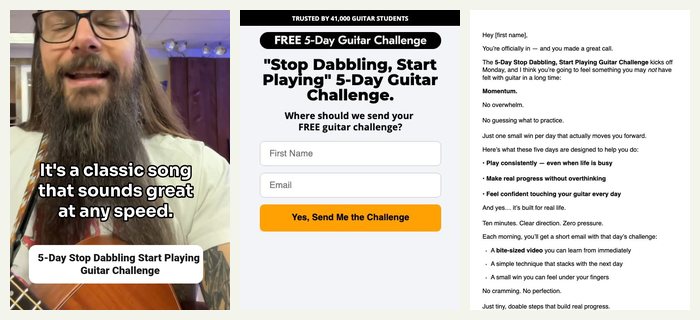
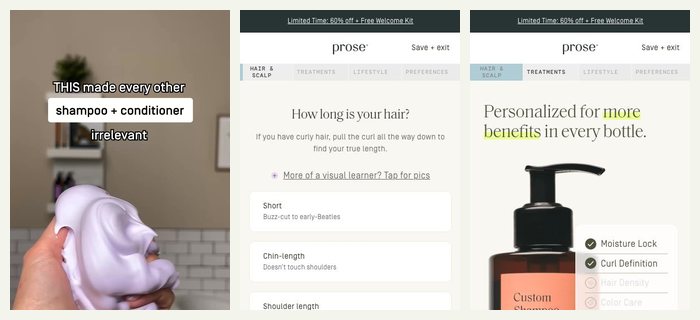
A whole funnel walked from the ad to the last email, with the move behind every step. Your free account opens one a week; Pro keeps them all.

Works in the agent you already use.
- Claude Code
- Codex
- Cursor
- VS Code + Copilot
- Gemini CLI
- Devin
- 1
Connect once.
One command in your agent. No download, no new app.
claude mcp add --transport http --scope user boringfunnels https://boringfunnels.com/mcp - 2
Say “set up boringfunnels”.
Your agent installs the skills into your project.
set up boringfunnels - 3
Tell it about your business.
Your board opens on your computer with four ways in, and its pick. For a funnel, make four calls: the funnel, the plan, the look, the outline. It builds the rest.
It gets smarter every week.
New funnels land in the library every week, and the kit gets a new version whenever we find something to fix in the runs we watch. Your agent sees the new version and updates in one step.
That's Claude Code. Any coding agent that can connect an MCP server and run commands in a project on your computer works the same way: Codex, Cursor, VS Code, Gemini CLI and Devin each get their one line after you buy.
What one funnel that sells is worth.
16×
Sell it to a client.
Charge $5,000 for a client funnel and that one job pays for more than 16 years of Pro.
$75
Cut your cost per sale.
At $1.50 a click, a page where 1 in 100 visitors buys costs you $150 a sale. Get it to 2 in 100 and the same ads cost $75.
Fast
Launch the next offer fast.
A new offer's funnel, checked and live fast, instead of waiting on a designer and a copywriter. Test the next idea while it's fresh.
Work out yours → The math, not a promise: your numbers will differ.
boringfunnels Pro
$299 a year
Renews yearly. Cancel anytime and keep it to the end of your year. A year of the monthly plan is $948.
Under $6 a week. One client funnel pays for the year.
Get Pro · $299 a year- The full library inside your agent: every teardown, every whole funnel, every deep study
- The build kit: strategy, copy, the offer, design, the build and the checks
- Every page, the emails and the ad, for every funnel you build
- A new deep study every week, and every kit update
- Tested in Claude Code and Codex, with setup lines for Cursor, VS Code, Gemini CLI and Devin
- Your own business or your clients'
Buy with the email you signed up with and this account becomes Pro. Connect your agent with one command, then say “set up boringfunnels”.
By buying, you agree to the terms and the refund policy.
Against the other ways to get a funnel
A funnel builder: ClickFunnels' monthly plans, from their pricing page.
Questions
“I don't really use a coding agent.”
If you have the Claude desktop app, you have one: its Code tab runs Pro. Any coding agent that can connect an MCP server and run commands in a project on your computer can use it. We test in Claude Code and Codex; Cursor, VS Code with Copilot, Devin Desktop and Gemini CLI connect the same way. You connect it with one command and say “set up boringfunnels”. After that you pick on a board, and your agent writes the code. If you've never opened one of these, start with the free account and come back when you have.
“Will it work for my kind of business?”
The library covers local service, software, product, and course or coaching pages, and whole funnels followed from their ads. Your agent shows you three or four funnels that fit what you sell, with what a sale should cost on each and why it recommends one.
“Isn't this just templates?”
A template is a layout. Pro starts with the argument: which funnel, the problem in your buyers' words, the headline, the offer and the proof. Then it builds the pages, the emails and the ad around it, and checks them.
“I already pay for ClickFunnels.”
Pro isn't a page host. It's what goes on the pages: the funnel, the copy, the offer and the checks, from real funnels that sell. Your agent builds the pages as code on your own host, and the words and the plan work wherever you put them.
“I already have a website.”
Your agent reads it and keeps your logo, colors, type and voice. You still pick the layout from real pages, your own site among them, and one lane of looks is your site made better. Morning Draft, above, kept its own look.
“Can I use it for clients?”
Yes, for one person or one company, client work included. Point it at a prospect's site and it builds a pitch funnel in their brand, with a link to send. Don't resell the kit or the library itself.
“What else will I pay for?”
Your coding agent's own plan, and a host for the pages: Netlify or Vercel. If you connect your own image key (OpenAI, fal, Replicate or Google), your looks are drawn as pictures: nine in three lanes, and a More like this button adds three to a lane. The board shows the cost first. Without a key you get three looks, one a lane. Ad spend is yours.
“Is there a monthly plan?”
Yes: $79 a month, or $299 a year. A year of the monthly plan is $948, so yearly saves 68%. Cancel either anytime from Account → Purchases and you keep access to the end of the month or year you paid for. The pages you built, and the kit on your computer, stay yours.
“What happens to my free account?”
It becomes Pro. Buy with the same email and the locks lift on the same account.
You've got two paths from here.
Stay free
Study one funnel a week, until Sunday. Copy its prompt into your agent and build from that one.
Get free accessGo Pro
Have your agent build yours today, from every funnel in the library: the plan, the pages, the emails and the ad, checked.